
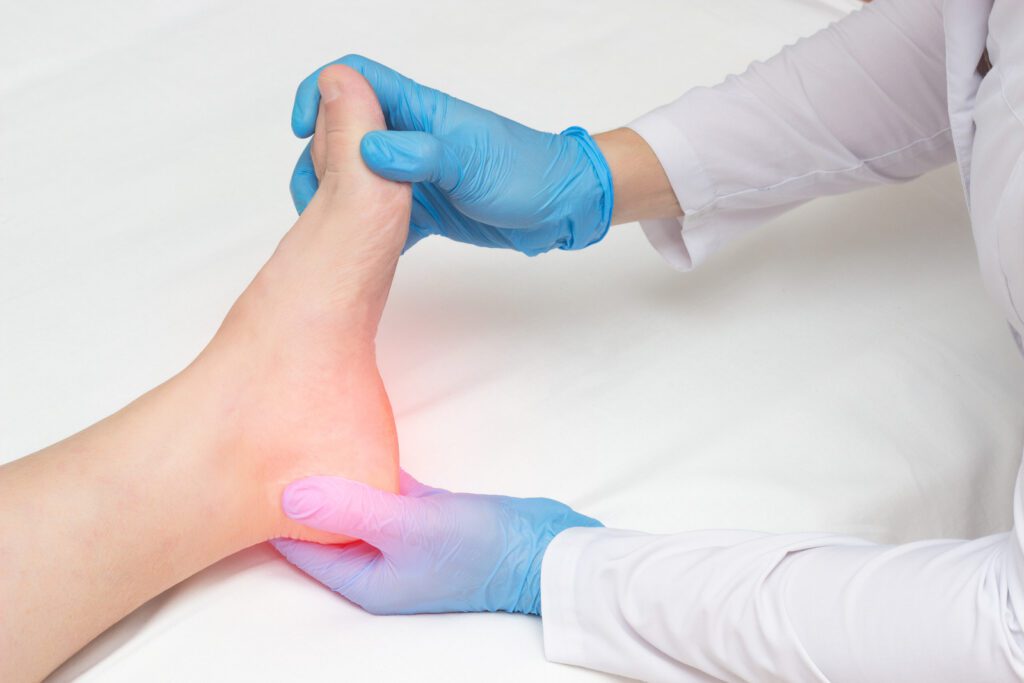
Heel pain has a way of sneaking into daily life. One day it’s a dull ache. Next thing, every step feels sharp. Many people start searching for heel pain causes and remedies after those first painful mornings, wondering what went wrong and how to fix it. This guide breaks it down simply. From easy home care to advanced podiatry options. No fluff. Just real-world solutions and what actually helps over time.
Understanding Heel Spurs and Why They Hurt
Heel spurs are calcium deposits that form on the heel bone. Usually slow-growing. Often unnoticed at first. The pain doesn’t always come from the spur itself, truth be told, but from inflammation around it. Common triggers include plantar fasciitis, poor footwear, long hours on hard floors, or sudden weight gain. According to podiatry studies, over 70% of heel spur cases are linked to plantar fascia strain.
That’s why heel pain causes and remedies aren’t one-size-fits-all. The source matters.
Home Care That Actually Helps
Let’s face it. Most people start at home. And that’s fine.
- Ice packs. Ten minutes. Twice a day.
- Gentle stretching. Especially calves and arches.
- Supportive shoes. Even indoors.
- Over-the-counter heel cups or insoles.
Clinical data shows that consistent stretching alone can reduce heel pain by up to 40% within six weeks. Not instant. But noticeable. These basic treatments for heel spur pain often work best when pain is still mild.
When Home Remedies Aren’t Enough
Sometimes pain sticks around. Weeks pass. Maybe months. That’s when professional care matters.
Podiatrists often recommend:
- Custom orthotics tailored to foot mechanics
- Physical therapy focused on gait correction
- Anti-inflammatory treatments
- Night splints to reduce morning pain
One case review published in a podiatric journal noted that patients using custom orthotics experienced a 60% reduction in pain within three months. Real progress. These treatments for heel spur pain target the root, not just symptoms.
Advanced Podiatry Solutions
For stubborn cases, advanced options exist. After all, not every heel heals easily.
- Corticosteroid injections for severe inflammation
- Shockwave therapy to stimulate healing
- Minimally invasive surgery (rare, last resort)
Less than 10% of patients ever need surgery. Most improve long before that stage. Understanding heel pain causes and remedies early helps avoid extreme measures later.
Heel spur pain doesn’t vanish overnight. It eases gradually. With the right mix of care, patience, and proper support, most people walk comfortably again. Ignoring pain only stretches recovery longer. Small steps matter. Literally.
FAQs
How long does heel spur pain usually last?
With proper care, most cases improve within 6–12 weeks. Chronic cases may take longer.
Are heel spurs permanent?
The spur may remain, but pain can disappear completely with proper treatments for heel spur pain.
Can walking make heel spur pain worse?
Yes, especially without support. Proper footwear and pacing reduce flare-ups significantly.