
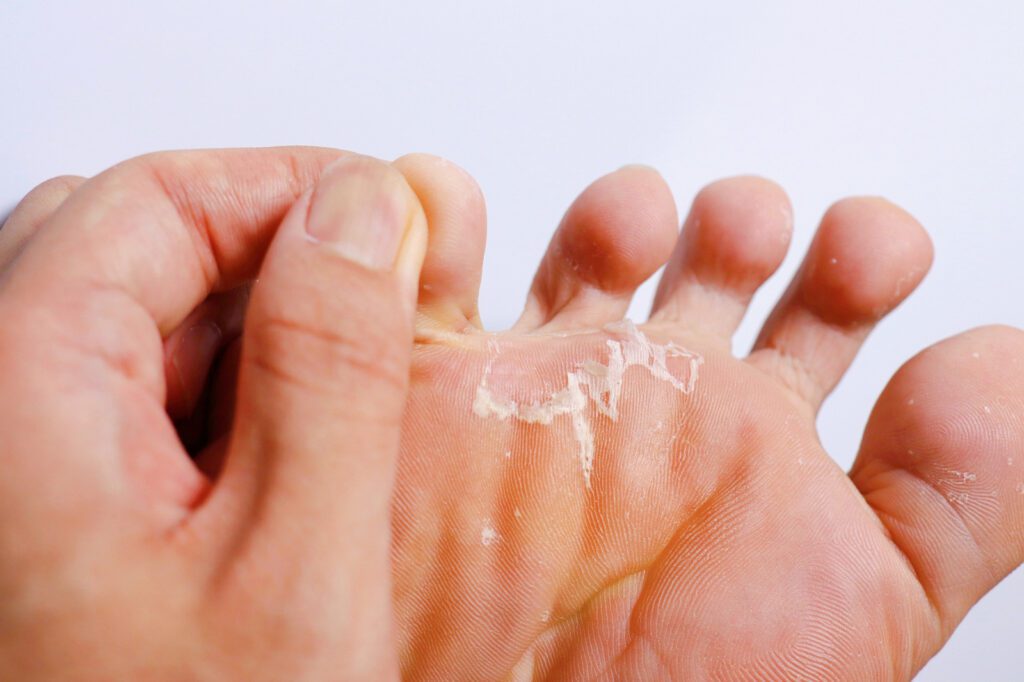
Diabetes doesn’t always announce trouble loudly. Sometimes it starts small. A sore spot. A nail change. Even a search for pinky toe bunion treatment that feels unrelated at first. But foot issues and diabetes are closely connected, whether it’s bunions, numbness, or slow-healing skin. This guide explains how diabetes affects the feet, what warning signs matter most, and how serious complications can often be prevented with early care.
Why Diabetes Targets the Feet
Let’s face it. Feet are far from the heart. Circulation already works harder there. Diabetes makes it tougher. High blood sugar damages nerves and blood vessels over time. This leads to reduced sensation and slower healing. According to the CDC, nearly 50% of people with diabetes develop some form of nerve damage. Many don’t notice it right away. That’s when minor issues grow. Corns. Calluses. Bunions. Even something that begins as a pinky toe bunion treatment concern can worsen if pressure and friction go unchecked.
Nerve Damage Changes Everything
Loss of feeling is risky. Pain usually signals a problem. Without it, injuries go unnoticed. Small cuts may turn into ulcers. Blisters become infections. Truth be told, diabetic foot ulcers account for about 85% of diabetes-related amputations worldwide. Routine foot checks matter. Daily. No skipping.
Toenails Tell a Bigger Story
Nails often show early warning signs. Thickening. Discoloration. Ingrown edges. These are common diabetes and toenail problems.
Poor circulation slows nail growth. Fungal infections thrive. Trimming becomes harder and riskier. A small nick can spiral into infection fast. That’s why podiatrists stress proper nail care as part of managing diabetes and toenail problems. Not cosmetic. Preventive.
Bunions, Pressure Points, and Blood Sugar
Foot shape changes aren’t rare with diabetes. Muscle imbalance and nerve damage shift how weight is distributed. Pressure builds in odd places.
Bunions, especially on the pinky toe, often worsen faster in diabetic patients. Proper pinky toe bunion treatment reduces friction and lowers ulcer risk. Padding. Orthotics. Footwear changes. Sometimes more advanced care. Ignoring pressure points invites trouble.
Prevention Is the Real Treatment
Here’s the good news. Many complications are avoidable.
Key steps include:
- Daily foot inspection
- Properly fitted shoes
- Moisturizing dry skin (not between toes)
- Regular podiatry visits
Studies show consistent preventive foot care reduces amputation risk by up to 60%. That’s not small. Diabetes and foot health are tightly linked. Small symptoms deserve attention. Early care protects mobility, independence, and quality of life. After all, feet carry everything.
FAQs
Why do people with diabetes get foot problems more often?
Nerve damage and poor circulation reduce sensation and healing, increasing risk.
Are bunions more dangerous with diabetes?
Yes. Pressure from bunions raises the risk of ulcers without proper pinky toe bunion treatment.
When should a podiatrist be seen for toenail issues?
At the first sign of thick, painful, or infected nails linked to diabetes and toenail problems.