
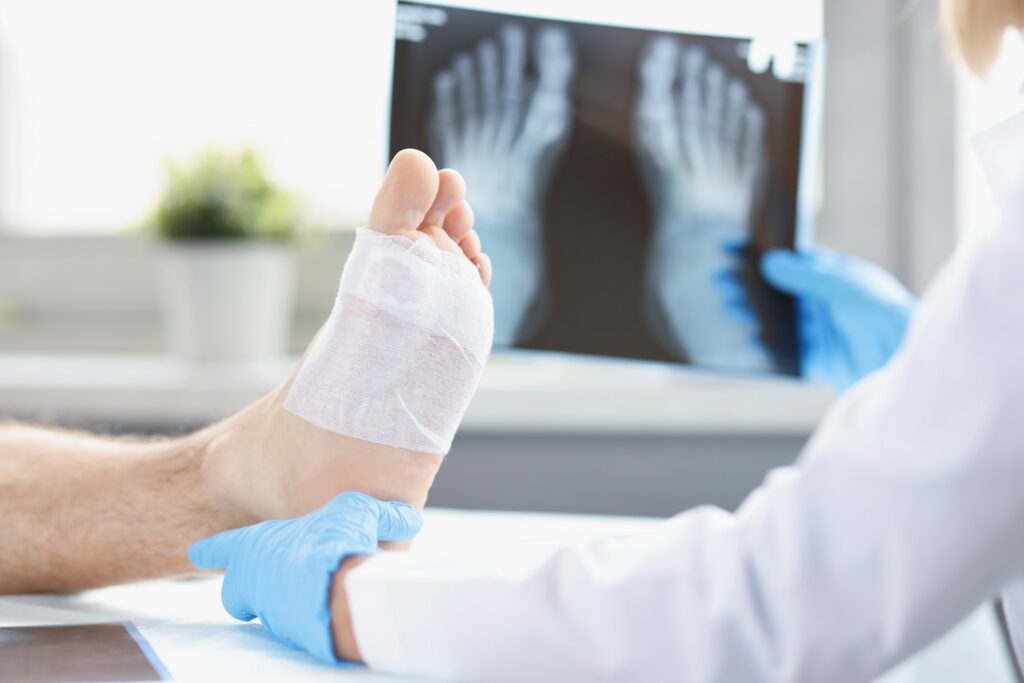
When it comes to living with diabetes, foot care can become more complicated than most people expect. Small changes can get overlooked, and what starts as a minor problem might not stay that way for long. That’s why having a skilled diabetes foot doctor matters, especially when surgery becomes part of the conversation. As colder weather arrives in Milwaukee, the chances of skin breakdown, hidden swelling, or pressure injuries increase. This time of year, we’re paying even closer attention. Dr. Harvinder Saggi recently joined us, and his knowledge in diabetic foot care and surgical treatment brings extra focus and support for patients facing chronic issues. He works alongside Dr. Milkie to help with diagnosis, decisions around surgery, and thoughtful recovery strategies that fit each person’s needs. When surgery is on the table, it helps to know you have someone looking at the whole picture—before, during, and after.
Understanding Diabetic Foot Challenges
Diabetes changes how the body communicates with the feet. Nerves might not send strong signals, so pain can feel different or disappear completely. Blood flow may slow, which means healing moves at a different pace. The skin might stay dry or crack faster than expected, especially once indoor heat starts running more often.
What throws people off is how quickly these small issues can pile up. A pressure spot caused by a tight winter boot, or a blister hidden under a sock, might go unnoticed for too long. And because of reduced sensation, that delay makes it easier for an infection to take hold or for swelling to cause even more pressure.
In Milwaukee, the seasonal change adds some extra weight to all of this. Cold weather leads to tighter footwear, more time indoors, and sometimes less activity—all things that shift how feet are used and how much strain they take on. Diabetic feet need consistent checks and regular care to stay healthy through these shifts. This is where surgical conversations sometimes begin, especially when certain problems keep coming back.
How Dr. Harvinder Saggi Approaches Foot Surgery for Diabetic Patients
Dr. Harvinder Saggi brings a strong focus to diabetic foot conditions that require surgery. His attention to skin health, bone position, and wound patterns helps identify when conservative care has reached its limits. Infections that don’t respond easily, bones that become misaligned due to long-term pressure, and ulcers that just won’t close—these are some of the cases that may call for surgical steps.
Dr. Saggi looks at both the current problem and what may be driving it behind the scenes. He focuses on planning ahead with the patient in mind—not just to fix one issue, but to help protect the foot from ongoing stress. Whether it’s smoothing a bone edge causing pressure or addressing deep tissue damage, he stays focused on function and healing.
His care doesn’t stop after surgery. There’s a big focus on education during follow-ups, especially around noticing changes early and learning steps that support healing. Preventing future problems becomes part of the plan, too, so people feel steady moving forward rather than worried about the next setback.
Tools and Technology That Support Surgery and Healing
When we talk about diabetic foot surgery, planning and healing both depend on having the right tools. That includes high-detail imaging like our Diagnostic Ultrasound, which helps us get a close look at what’s going on beneath the surface. Swelling, fractures, or soft tissue issues can be spotted early which helps us prepare the right plan before any surgical step.
After surgery, we have methods that support recovery too. Our Class IV Pain Laser helps reduce inflammation and soothe deep tissue. EPAT Shockwave may be part of post-surgical care when tissue needs a little help during repair. Each tool we use adds a layer of support that the foot can feel, even if that healing shows up over time.
Footwear matters here as well. Diabetic Shoes are built differently, with fewer pressure points and more space to support healing skin. When someone is coming out of surgery, the last thing their feet need is extra friction or pressure. The right shoes help keep weight distributed evenly and can make a real difference in how feet respond after surgery.
Collaborative Care with a Diabetes Foot Doctor
When a patient needs surgical care, we don’t believe in working alone. Having Dr. Harvinder Saggi here adds depth to every conversation we have about diabetic foot health. He brings a targeted approach, built from experience, and focuses on helping people feel informed every step of the way.
His work blends into the rest of our care. If one of us sees an issue during a routine visit that might need surgical attention, we talk it through together. That kind of teamwork helps make faster decisions and gives patients fewer steps between noticing a problem and getting help. It also means less time sitting with uncertainty.
A diabetes foot doctor brings extra clarity to cases that aren’t always easy to sort. Sometimes the pain is gone, but the problem isn’t. Other times the damage can’t be felt, but it’s clear to the eye. Having Dr. Saggi on board helps catch those signs sooner and shape a path that fits what each patient needs—not just what their foot looks like on paper.
Staying Ahead of Winter Foot Risks in Milwaukee
As we move into the colder weeks, we’re seeing more people wear heavier socks, tighter shoes, and warmer boots—which makes sense. But those same choices can also hide problems that would be more obvious during warmer seasons. Cracked skin, swelling, redness around a nail or toe, changes in how the foot sits—all of these signs are easier to miss under layers.
For diabetic patients, that delay in noticing can change how the issue plays out. What could be treated quickly under regular springtime conditions may take more effort when it’s cold and dry outside. That’s why pre-winter foot checks are smart. They give us a clear picture of what needs attention before bad weather makes things harder to manage.
Walking on icy sidewalks or dealing with wet socks can sneak in new dangers. Bumps become bruises, and blisters might linger longer than they should. Keeping pressure off certain areas, rotating shoes, and checking daily for changes all help, but none of it replaces in-person care when something starts to shift.
Better Comfort and Care Through Surgical Support
When surgery becomes part of the care plan, it helps to know support doesn’t end in the operating room. Everything Dr. Harvinder Saggi brings to diabetic foot surgery centers on clarity, patience, and recovery. His knowledge lines up with the daily needs of our patients, especially in Milwaukee’s colder season where slips, swelling, and tight shoes make problems more common.
Having a plan that includes careful diagnosis, the right surgical step, and steady post-op care can take a stressful moment and turn it into something more manageable. We approach it all as a team, because healing works better that way. When diabetic foot problems take longer to heal or show up in too many places, having a steady surgical partner helps each patient move forward with less hesitation and more comfort.
Ongoing foot problems from diabetes can get tougher to manage when temperatures drop in Milwaukee or Wauwatosa. A close look from a specialist like Dr. Harvinder Saggi can help sort out what’s healing properly and what might need care before it gets worse. We focus on lasting comfort, better support, and steady steps through cold-weather challenges. See how working with a diabetes foot doctor can help you stay ahead of foot changes this season. Call Waukee Feet to schedule your appointment today.